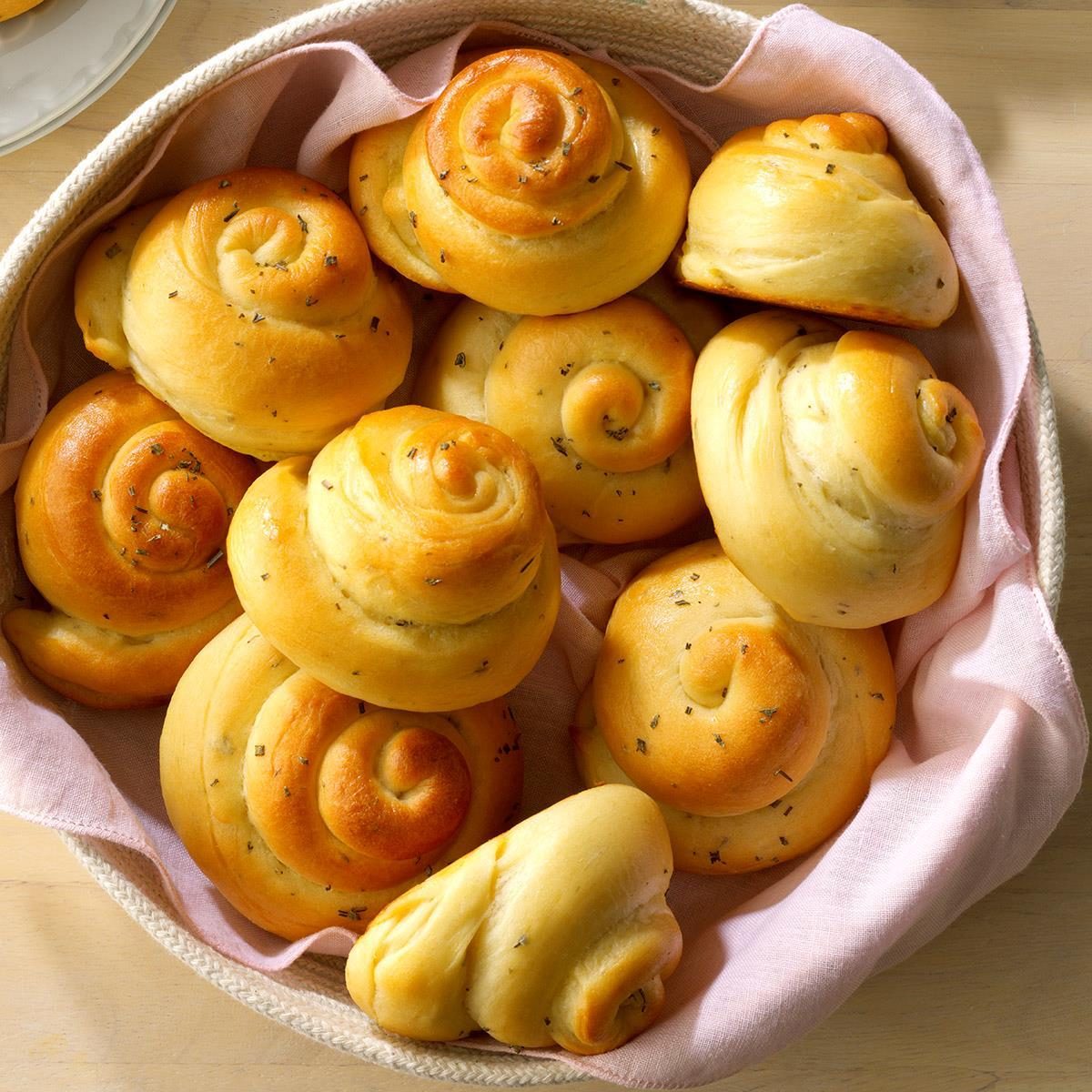
There's something uniquely comforting about the aroma of freshly baked bread wafting through the kitchen. It’s a scent that promises warmth, sustenance, and togetherness. But when that aroma is infused with the earthy, piney notes of fresh rosemary, it transforms into something truly magical. For many, like myself, these aren't just any rolls; they're "Grandma's Aromatic Rosemary Rolls" – an edible embrace that instantly transports you back to cherished family dinners, bustling kitchens, and unconditional love.
Grandma had a way of making every meal feel like a special occasion, and her easy rosemary dinner rolls were always at the heart of it. They weren't just a side dish; they were a focal point, eagerly anticipated by all. The secret? A deceptively simple recipe that yielded incredibly soft, fluffy rolls, bathed in a decadent garlic butter and sprinkled with flaky sea salt. The kind of rolls that are gone in minutes, leaving behind only satisfied smiles and requests for "just one more." Recreating this magic for my own family has become a beloved tradition, proving that some recipes are truly timeless.
The Timeless Allure of Grandma's Rosemary Dinner Rolls
What makes these particular rosemary dinner rolls so utterly irresistible? It's a combination of factors that hits all the right notes for both the home cook and the discerning diner. They embody a perfect balance of rustic charm and sophisticated flavor, making them suitable for any occasion, from a casual weeknight meal to an elegant holiday feast.
- Effortless Elegance: While they exude an air of culinary prowess, these rolls are surprisingly straightforward to prepare. The dough comes together with minimal fuss, making them an accessible project even for those new to bread baking. Yet, serving them adds an instant touch of refinement to your table, whether it's Christmas dinner or a simple Sunday supper.
- Aromatic Sensation: The moment you start chopping fresh rosemary, your kitchen begins to transform. As the rolls bake, the fragrant herb intertwines with the rich scent of yeast and butter, creating an aroma that's utterly captivating. And with the addition of garlic butter, that appeal becomes truly irresistible, drawing everyone to the kitchen.
- Versatility Personified: These soft & fluffy rosemary dinner rolls are a culinary chameleon. Their savory, herbal profile makes them an ideal companion for an astonishing array of dishes. Imagine them alongside a hearty lasagna, complementing a succulent roasted turkey, mopping up the gravy from a classic meatloaf, or even served with a robust chili. Their adaptability ensures they'll always find a welcome spot at your table.
- Melt-in-Your-Mouth Texture: The true test of any roll is its texture, and Grandma's recipe delivers in spades. Each bite reveals a cloud-like interior that's incredibly soft and airy, giving way to a delicately golden, slightly chewy crust. The generous amount of butter in the dough contributes to this amazing tenderness, making them practically melt on your tongue.
Unlocking the Aromatic Magic: Key Ingredients Explained
Every ingredient in Grandma's rosemary dinner rolls plays a crucial role, contributing to their remarkable flavor and texture. Understanding their purpose helps in mastering the recipe and even troubleshooting if things don't go exactly as planned.
The Heart of the Rise: Active Dry Yeast
This tiny microorganism is the engine that makes your rolls light and airy. Active dry yeast needs to be "activated" or "proofed" before it can work its magic. When combined with warm liquid and a touch of sugar, it wakes up, creating carbon dioxide bubbles that cause the dough to rise. Look for a foamy layer on top after a few minutes – that's your sign it's alive and ready to perform.
Liquid Gold for Activation: Warm Milk
Milk serves a dual purpose here: it hydrates the yeast and enriches the dough, contributing to its tenderness. The temperature is critical for yeast activation; aim for around 100-110 degrees Fahrenheit (38-43°C). Too cold, and the yeast won't activate; too hot, and you'll kill it. Use a thermometer for precision.
Sweetening the Deal (and the Yeast): Granulated Sugar
Sugar is more than just a sweetener in this recipe; it's vital fuel for the yeast, helping it to reproduce and produce gas more efficiently. It also contributes to that beautiful golden-brown crust and a subtle sweetness that balances the savory rosemary.
The Binding, Enriching Secret: Large Eggs
Eggs are a baker's best friend. In these rolls, they bind the ingredients together, adding structure and richness. The fat in the egg yolks contributes to the dough's softness and helps create that wonderful fluffy texture, while the protein adds strength.
Richness & Tenderness Personified: Unsalted Butter
Butter is key to the melt-in-your-mouth quality of these rolls. It adds incredible flavor, moisture, and helps create a tender crumb. Using unsalted butter gives you control over the overall saltiness of the recipe. Remember to soften it at room temperature beforehand for easier incorporation into the dough. You'll also need a generous amount for the irresistible garlic butter topping!
The Star of the Show: Fresh Rosemary
You can't have rosemary rolls without it! Fresh rosemary is absolutely essential here; dried simply won't impart the same vibrant, aromatic essence. Chop it finely to ensure an even distribution of flavor in every bite. The fresh needles release their oils as they bake, perfuming the entire roll.
Flavor's Foundation: Salt
A non-negotiable ingredient in bread-making, salt enhances all the other flavors in the dough. It also plays a role in controlling yeast activity, preventing the dough from rising too quickly.
The Structural Backbone: All-Purpose Flour
All-purpose flour provides the essential structure for your rolls. Its protein content develops gluten when kneaded, creating an elastic dough that can trap the gases produced by the yeast, leading to that desirable soft and chewy texture.
The Irresistible Finishing Touch: Minced Garlic, Fresh Parsley & Flaky Sea Salt
This trio elevates the rolls from delicious to utterly divine. Minced garlic infused into melted butter creates an aromatic glaze, while fresh parsley adds a pop of color and fresh flavor. Finally, a sprinkle of flaky sea salt not only provides a beautiful visual but also a delightful textural crunch and a burst of savory flavor that perfectly complements the garlic and rosemary.
Crafting Comfort: A Step-by-Step Guide to Perfect Rosemary Dinner Rolls
While making homemade bread can seem daunting, this recipe, like Grandma’s, simplifies the process without sacrificing flavor or quality. Much of the time involved is hands-off, allowing the yeast to do its magnificent work. Here's a closer look at the steps, with some expert tips:
1. Prepare Your Yeast: The Awakening
In the bowl of your stand mixer (or a large mixing bowl if kneading by hand), combine the warm milk, one tablespoon of granulated sugar, and the active dry yeast. Give it a gentle whisk to combine, then let it sit undisturbed for 5-10 minutes. Tip: You're looking for a foamy, frothy layer to form on the surface. This indicates your yeast is active and ready. If nothing happens, your yeast might be old or your milk temperature was off, and it's best to start again.
2. Mix the Dough: The Foundation
Once your yeast is bubbling, add the remaining sugar, eggs, softened unsalted butter, finely chopped fresh rosemary, salt, and half of the all-purpose flour. Using the dough hook attachment on your stand mixer, begin mixing on low speed. Gradually add the remaining flour, a little at a time, until the dough comes together. Increase the speed to medium-low and knead for 8-10 minutes. Tip: The dough should pull away from the sides of the bowl, becoming smooth, elastic, and slightly tacky but not sticky. If it's too sticky, add a tablespoon of flour at a time; if too stiff, add a teaspoon of warm milk.
3. First Proof: The Grand Rise
Lightly flour a clean surface, turn out your dough, and knead it a few times by hand to form a smooth ball. Transfer the dough to a lightly oiled bowl, turning it once to coat. Cover the bowl tightly with plastic wrap or a clean kitchen towel. Place it in a warm, draft-free spot. Tip: A slightly warmed oven (turned off!) or a sunny spot on your counter works well. Let it rise for 1 to 1.5 hours, or until it has visibly doubled in size. This "first proof" develops flavor and creates that airy texture.
4. Shape the Rolls: Uniformity for Even Baking
Once doubled, gently "punch down" the dough to release the air. Turn it out onto a lightly floured surface and briefly knead it to de-gas. Roll the dough into a uniform log and cut it into 12 equal portions. Tip: For perfectly even rolls, use a kitchen scale to weigh the total dough, then divide by 12. Roll each portion into a smooth, tight ball. This technique creates tension on the surface, helping the rolls maintain their shape and rise beautifully. Arrange them in a greased 9x13-inch baking dish.
5. Second Proof & Bake: The Final Transformation
Cover the baking dish again and let the rolls rise for another 30-45 minutes, or until they look puffy and have nearly doubled in size. Preheat your oven to the specified temperature (typically around 375°F / 190°C). Bake for 18-22 minutes, or until the tops are golden brown. Tip: The internal temperature should reach about 200-210°F (93-99°C) for fully cooked bread.
6. The Garlic Butter & Sea Salt Finish: Pure Indulgence
While the rolls are baking, melt the unsalted butter and stir in the minced garlic and fresh parsley. As soon as the rolls come out of the oven, brush them generously with the aromatic garlic butter. Immediately sprinkle with flaky sea salt. The hot rolls will absorb the butter beautifully, and the salt will adhere perfectly. Serve warm, and prepare for rave reviews!
Tips for Elevating Your Rosemary Dinner Roll Experience
To ensure your rosemary dinner rolls are always a showstopper, consider these extra tips:
- Embrace Freshness: As reiterated, fresh rosemary is non-negotiable. It truly makes all the difference in flavor and aroma.
- Mind the Temperature: Yeast is sensitive. Always check your milk temperature and ensure your proofing environment is warm and free from drafts.
- Don't Over-Flour: A common mistake! Too much flour makes dry, dense rolls. Only add enough to prevent sticking, keeping the dough soft and slightly tacky.
- Patience is a Virtue: Resist the urge to rush the proofing stages. Proper rising time develops flavor and ensures a light, airy crumb.
- Invest in Good Salt: Flaky sea salt (like Maldon) provides a superior finish to regular table salt, both in taste and texture.
- Make Ahead Option: You can prepare the dough the night before. After the first proof, punch it down, cover tightly, and refrigerate overnight. The next day, let it come to room temperature for about an hour before shaping and continuing with the second proof.
Serving Suggestions: Beyond the Dinner Table
While perfect with any main course, these soft & fluffy rosemary dinner rolls are incredibly versatile. Beyond traditional pairings like roasted chicken, beef, or pork, consider serving them with creamy tomato soup, a hearty lentil stew, or even alongside a fresh garden salad for a more substantial meal. Leftovers (if there are any!) make fantastic slider buns for mini sandwiches or can be torn into pieces, toasted, and used as croutons for soups or salads. You can even split them, toast lightly, and serve with scrambled eggs for a surprisingly delightful breakfast.
Grandma's Aromatic Rosemary Rolls are more than just a recipe; they're a legacy of comfort, flavor, and shared moments. The simple act of baking these rolls fills your home with an irresistible aroma and your heart with warmth. Each bite is a journey back to cherished memories, and an invitation to create new ones. So, gather your ingredients, take a deep breath of that wonderful rosemary scent, and prepare to fill your home with the comfort of these truly extraordinary rosemary dinner rolls. Your family, and your taste buds, will thank you.
