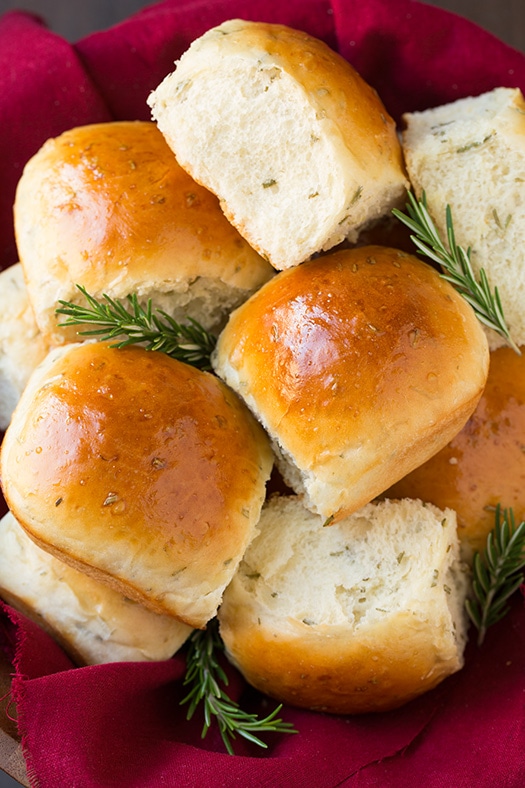
There's something truly magical about homemade bread, and when that bread comes infused with the fragrant essence of fresh rosemary and a hint of garlic, it transcends mere sustenance to become an experience. These soft and fluffy rosemary dinner rolls are more than just a side dish; they are a statement piece for any meal, a comforting staple for family dinners, and an elegant addition to the most sophisticated dinner parties. Imagine sinking your teeth into a warm, buttery roll, its delicate crumb giving way to an explosion of herbal flavor, perfectly complemented by a whisper of sea salt. This isn't just a recipe; it's a journey to creating unforgettable moments around your table.
From the moment the dough begins to rise, filling your kitchen with an intoxicating aroma, you'll know you're making something special. These rolls strike the perfect balance between ease of preparation and an impressive final product, making them accessible to home bakers of all skill levels. So whether you're planning a grand holiday feast or simply seeking to elevate a weeknight meal, these rosemary dinner rolls are your secret weapon for culinary success.
Why These Rosemary Dinner Rolls Are an Absolute Must-Make
In a world full of dinner roll options, what makes these particular rosemary-infused gems stand out? It's a combination of irresistible factors that promise to delight your senses and impress your guests:
- Effortless Elegance: While they present beautifully and taste incredibly sophisticated, these easy rosemary dinner rolls require surprisingly minimal hands-on effort. Much of the process involves resting time, allowing you to focus on other aspects of your meal or simply relax. They add a touch of gourmet flair to any occasion, from a casual Sunday supper to a formal holiday gathering, without the stress typically associated with fancy baking.
- Aromatic Bliss: The moment fresh rosemary hits the warm dough, your kitchen transforms into an aromatic sanctuary. This delightful fragrance only intensifies as the rolls bake, promising a sensory experience that primes everyone for the deliciousness to come. The subtle addition of garlic butter on top further elevates this bouquet, creating an irresistible invitation to the dinner table.
- Unmatched Versatility: These rosemary dinner rolls are the ultimate chameleon of the bread basket. Their savory, herbal profile makes them a fantastic accompaniment to an incredible range of dishes. Picture them alongside a rich lasagna, a comforting meatloaf, a hearty beef stew, or as the perfect partner for your holiday turkey dinner. They're equally at home soaking up gravies and sauces as they are providing a delightful counterpoint to a crisp salad.
- Melt-in-Your-Mouth Texture: Prepare for an experience of pure indulgence. These rolls are renowned for their incredibly soft, fluffy interior that practically dissolves on the tongue. The addition of butter and eggs to the dough creates a rich, tender crumb, while a perfectly golden-brown crust adds just the right amount of subtle chew. Each bite is a testament to comfort and flavor, leaving you craving more.
The Magic Behind the Flavor: Key Ingredients Explained
Crafting perfect rosemary dinner rolls begins with understanding the role each ingredient plays. This isn't just a list; it's a guide to selecting and preparing components that ensure a superior result every time.
- Active Dry Yeast: This tiny microorganism is the lifeblood of your rolls, responsible for their incredible rise and airy texture. It needs to be "activated" or "proofed" to ensure it's alive and ready to work.
- Warm Milk: The ideal temperature for activating yeast is crucial – around 100-110°F (38-43°C). Too cold, and the yeast won't activate; too hot, and you risk killing it. Milk also contributes to a richer, softer crumb than water.
- Granulated Sugar: More than just a touch of sweetness, sugar acts as food for the yeast, helping it to thrive and produce gas. It also contributes to the beautiful golden-brown crust and overall flavor.
- Large Eggs: Eggs are essential binders, adding structure, richness, and contributing to the rolls' characteristic fluffy texture and golden hue. They make the dough more elastic and pliable.
- Unsalted Butter: Butter is key for moisture, a rich, decadent flavor, and that signature melt-in-your-mouth softness. Using unsalted butter allows you to control the overall salt content of the recipe. Remember to soften it at room temperature beforehand for easier incorporation into the dough.
- Fresh Rosemary: This is the star of the show! For the most vibrant and aromatic flavor, fresh rosemary is non-negotiable. Its piney, slightly peppery notes infuse every bite. Chop it finely to ensure even distribution and to prevent large, woody pieces in your rolls.
- Salt: A fundamental ingredient in all bread making, salt enhances flavor, controls yeast activity, and strengthens the gluten structure. Don't skip it!
- All-Purpose Flour: Providing the primary structure, all-purpose flour helps create a smooth, elastic dough that can trap the gases produced by the yeast, resulting in those desirable light and airy rolls.
- Minced Garlic & Fresh Parsley: These are for the optional, yet highly recommended, garlic butter topping. Garlic adds a pungent kick, while fresh parsley offers a bright, herbaceous contrast.
- Flaky Sea Salt: The perfect finishing touch! A sprinkle of flaky sea salt over the garlic butter not only adds a beautiful aesthetic but also provides bursts of savory flavor and a delightful textural contrast.
Mastering the Art of Rosemary Dinner Rolls: A Step-by-Step Guide
While homemade bread might seem daunting, these rosemary dinner rolls are surprisingly straightforward. The key lies in understanding each step and being patient during the crucial resting times. Here’s how to bring these edible hugs from the past into your present kitchen:
- Prep the Yeast: In the bowl of a stand mixer (or a large mixing bowl if kneading by hand), combine your warm milk (remember that 100-110°F sweet spot!), active dry yeast, and 1 tablespoon of granulated sugar. Give it a gentle whisk. This concoction needs about 5-10 minutes to sit and proof. You’ll know it’s ready when it becomes visibly foamy on top – a clear sign your yeast is alive and active.
- Mix the Dough: To the foamy yeast mixture, add the remaining sugar, softened unsalted butter, large eggs, finely chopped fresh rosemary, and salt. Start incorporating these ingredients, then gradually add the all-purpose flour. Using a dough hook attachment on your stand mixer, knead on low speed for 2-3 minutes until everything starts to come together. Increase the speed to medium and continue kneading for another 3-5 minutes. The goal is a soft, smooth, and elastic dough that pulls away from the sides of the bowl. If kneading by hand, be prepared for a good arm workout, kneading for about 8-10 minutes on a lightly floured surface until the dough is smooth and resilient. This kneading process is vital for developing the gluten, which gives your rolls their structure and chew.
- First Rise (Proofing): Lightly flour a clean surface, turn out your dough, and knead it a few more times to form a smooth ball. Transfer the dough to a lightly oiled large bowl, turning it once to coat all sides. Cover the bowl tightly with plastic wrap or a clean kitchen towel. Place it in a warm, draft-free spot (your oven with the light on is often perfect) and let it rise until it has doubled in size. This usually takes 1 to 1.5 hours, but be guided by the volume, not just the clock. This first rise develops incredible flavor and texture.
- Shape the Rolls: Once doubled, gently punch down the dough to release the air. Turn it out onto a lightly floured surface. Roll the dough into a log shape, then use a sharp knife or bench scraper to cut it into 12 equal portions. For uniform rolls, you can even weigh each portion. Take each piece of dough and roll it into a tight, smooth ball. This creates a good surface tension, which helps the rolls rise nicely and maintain their shape. Arrange these shaped balls in a lightly greased 9x13-inch baking dish or a round cast-iron skillet, leaving a little space between each. This is where Grandma's Aromatic Rosemary Rolls: Comfort in Every Bite really start to take shape, evoking those cherished memories!
- Second Rise & Bake: Cover the baking dish again and let the rolls rise in a warm spot for another 30-45 minutes, or until they are visibly puffy and have nearly doubled in size again. While they're doing their second proof, preheat your oven to 375°F (190°C). Bake the rolls for 18-22 minutes, or until they are beautifully golden brown on top and cooked through.
- Garlic Butter & Finish: While the rolls are baking, melt the remaining butter and stir in the minced garlic and fresh parsley (if using). As soon as the rolls come out of the oven, brush them generously with this fragrant garlic butter. The residual heat from the rolls will perfectly toast the garlic and release its aroma. Finish with a generous sprinkle of flaky sea salt.
Serving Suggestions & Pairing Perfection
The beauty of these rosemary dinner rolls lies in their remarkable versatility. They elevate the everyday and enhance the extraordinary. Here are some ideas for how to serve them, ensuring they shine at any meal or party:
- The Ultimate Side Dish: These rolls are a natural fit for any main course. Serve them alongside classic comfort foods like roasted chicken, succulent pork tenderloin, or a hearty pot roast. They are also fantastic with pasta dishes, such as a rich beef ragu or a creamy mushroom lasagna, perfect for soaking up every last drop of sauce.
- Holiday Feasts: No holiday table, be it Thanksgiving, Christmas, or Easter, is complete without a basket of these aromatic rolls. They pair exceptionally well with roasted turkey, glazed ham, or prime rib, adding a fresh, herbaceous note that cuts through richer flavors.
- Dinner Parties & Special Occasions: Impress your guests with minimal fuss. These sophisticated rolls make a memorable addition to any dinner party menu. Their elegance and irresistible aroma will have everyone asking for the recipe. They're also perfect for potlucks, brunches, or even a fancy brunch spread with eggs and artisanal cheeses.
- Soup & Salad Companion: Transform a simple bowl of soup or a fresh salad into a complete, satisfying meal. The rolls are ideal for dipping into creamy tomato soup, a robust lentil soup, or serving alongside a vibrant spring mix with vinaigrette.
- Beyond the Plate: Don't limit these to just dinner! Warm them gently the next day and use them to make mini sandwiches with leftover turkey or ham, or simply enjoy them with extra butter and a sprinkle of sea salt for a delightful snack.
Expert Tips for Perfect Rolls Every Time
Achieving bakery-quality rosemary dinner rolls at home is entirely within reach with a few insider tips:
- Measure Flour Correctly: For consistent results, always spoon your flour into the measuring cup and level it off with a straight edge. Scooping directly can compact the flour, leading to too much flour and dry rolls.
- Don't Rush the Rise: Proofing times are estimates. The actual time depends on your kitchen's temperature and humidity. Always go by visual cues – the dough should be doubled in size and puffy, not strictly by the clock. A slightly under-proofed roll will be dense; an over-proofed one might collapse.
- Use Fresh Rosemary: As mentioned, fresh is best. Dried rosemary simply won't impart the same vibrant flavor and aroma. For an even more subtle flavor, you can infuse the warm milk with rosemary sprigs before adding the yeast, then strain them out.
- Even Roll Size: For even baking, try to make your dough balls roughly the same size. A kitchen scale can be helpful for this.
- Adjust for Your Oven: Oven temperatures can vary. If your rolls are browning too quickly, lightly tent them with aluminum foil. Always keep an eye on them towards the end of the baking time.
- Storage: These rolls are best enjoyed fresh and warm from the oven. However, leftovers can be stored in an airtight container at room temperature for up to 2-3 days. Reheat gently in the microwave or a warm oven to restore their softness. You can also freeze baked rolls for longer storage (up to 2 months); thaw at room temperature and reheat.
- Flavor Variations: Feel free to experiment! Add a pinch of dried thyme or oregano to the dough, or some finely grated Parmesan cheese for an extra savory kick. A sprinkle of red pepper flakes in the garlic butter can add a little heat.
There’s an undeniable satisfaction that comes from baking fresh bread, and these soft and fluffy rosemary dinner rolls deliver that feeling in spades. From their easy preparation to their intoxicating aroma and incredibly tender texture, they are a true delight for the senses. Whether gracing your holiday table or simply making a weeknight meal feel more special, these rolls are sure to become a cherished recipe in your home. So go ahead, tie on that apron, and prepare to fill your home with the warmth and comfort of these irresistible, homemade edible hugs.
